About
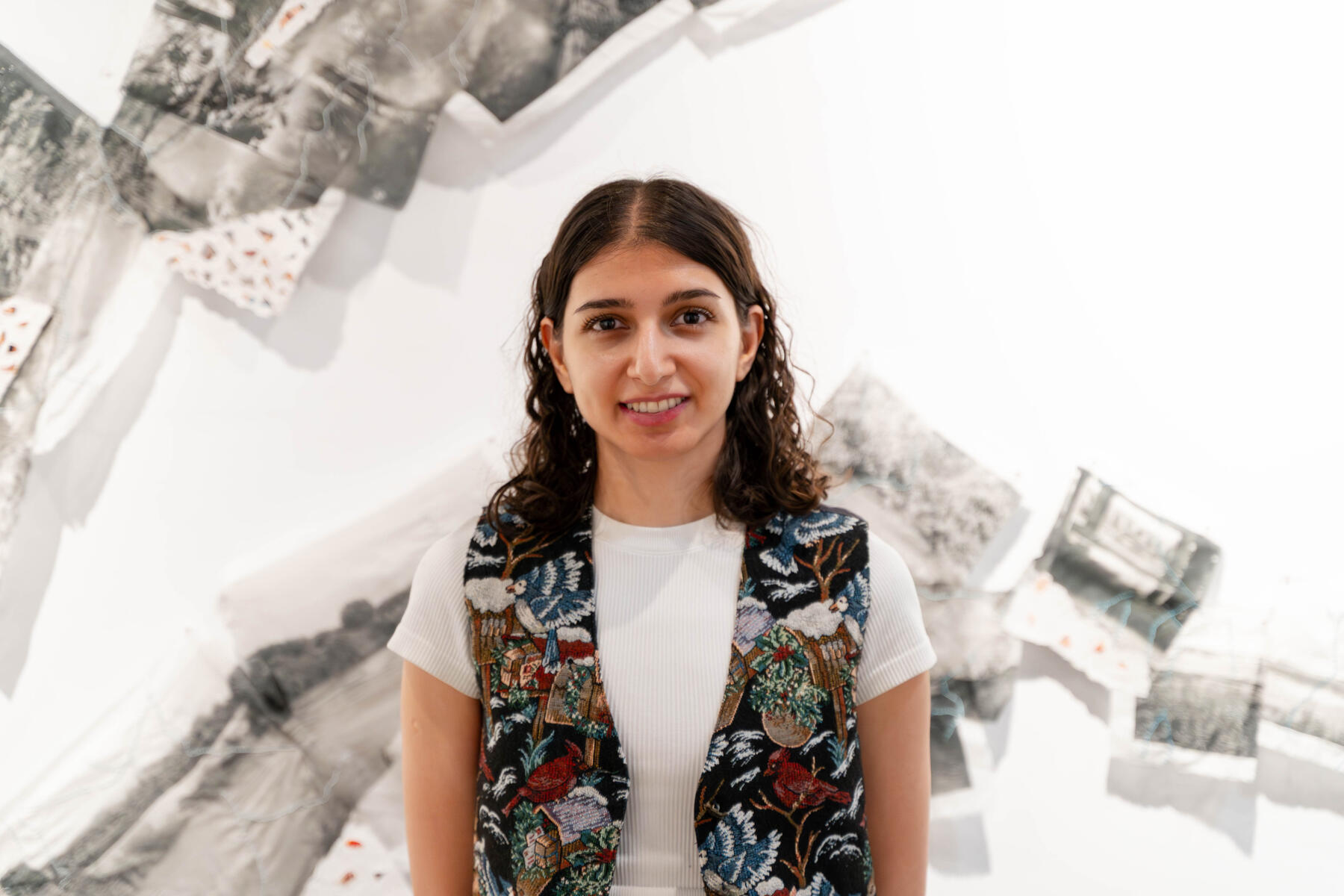
Sahar Askary is a Toronto-based multimedia artist. She completed a BA in Photography from Tehran University of Art and an MFA in Documentary Media from Toronto Metropolitan University. Her practice spans photography, video, textile, and installation, drawing on lived experience to explore themes of memory, place, and the construction of identity. Using auto-ethnographic approaches, she reflects on personal and collective narratives of belonging.She has participated in numerous group exhibitions in Canada and internationally, and her work has been recognized with awards such as the Newcomer Arts Award. Her residencies include The Ray Ferris Creative Tech Springboard, where she created Breaktime, later exhibited at The Bridge. Most recently, she curated Breaking Boundaries, a show featuring newcomer artists for Toronto Newcomer Week.


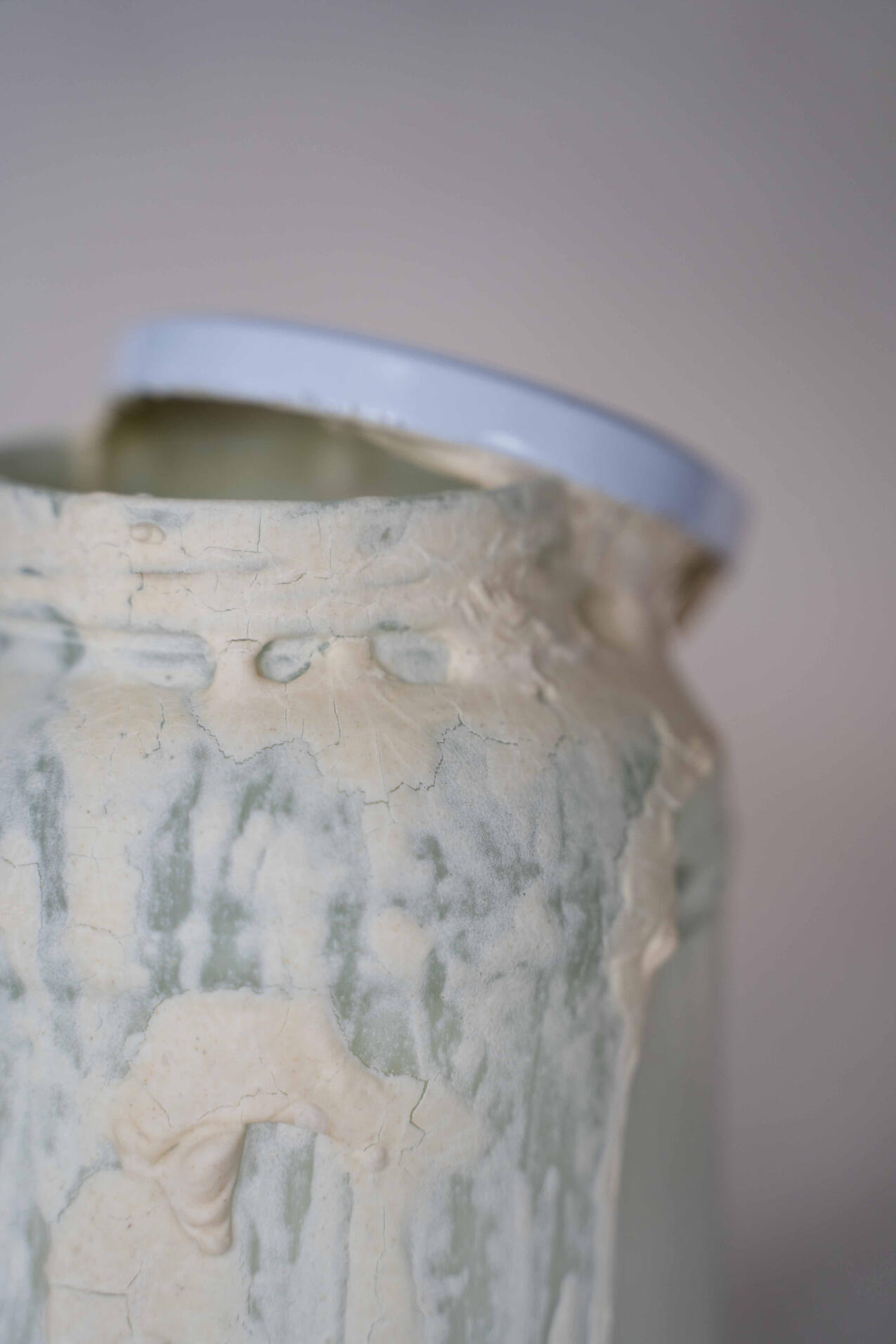
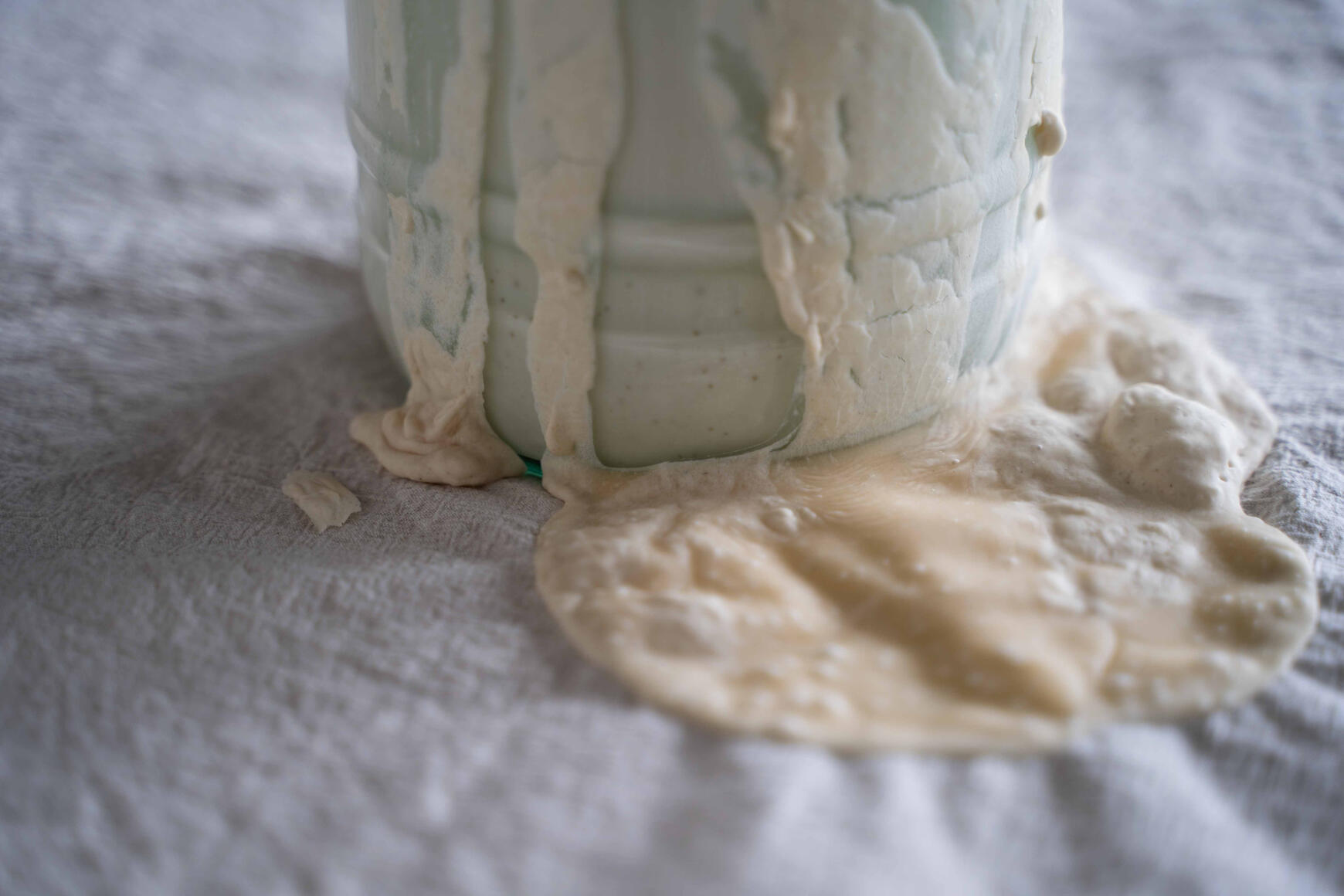
An Archive That Ferments is an ongoing body of work that approaches fermentation as a form of cultural memory shaped through everyday practice. What is usually treated as excess or waste is gathered and allowed to remain, shifting attention toward accumulation, care, and time.This way of working is rooted in learning through doing, where knowledge is passed through observation rather than instruction. Fermentation is not treated as something to master, but as something to live alongside. As time passes, it leaves visible traces, growth and drying, activity and pause, marking the archive through change rather than preservation.Fabric becomes central as a material that can hold these processes. Historically used to store and carry starter, cloth operates here as a soft archive, absorbing change.This project remains open, allowing materials and experiments to continue shifting, much like the practice itself.
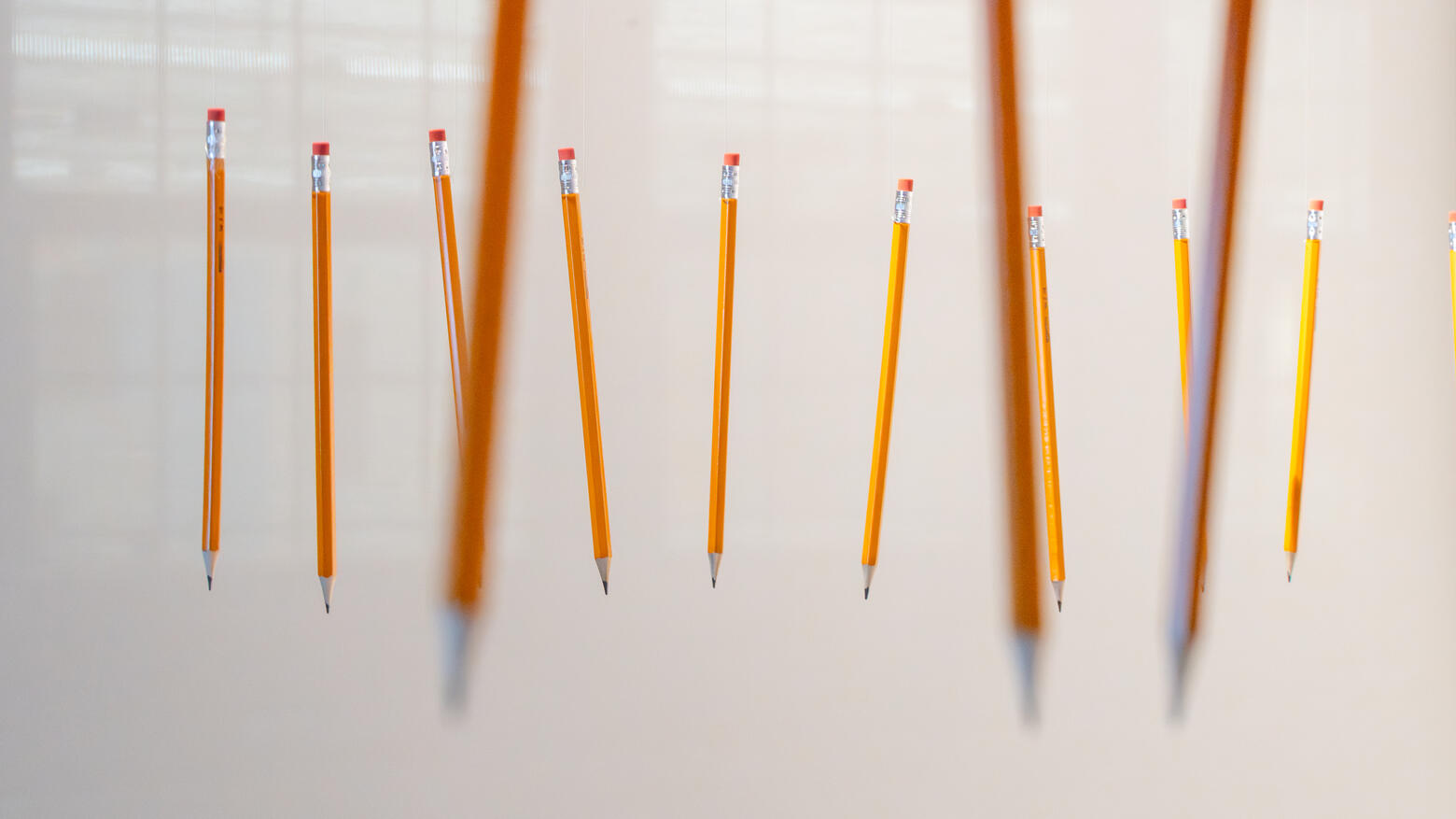
Break Time is a multimedia installation that delves into the deliberate poisonings used to instill fear in schoolgirls and their families, aimed at deterring them from pursuing an education. These efforts add to the existing barriers faced by some girls striving to attend school.Instances of poisonings in Iran, resulting from a particular gas, have inflicted lasting harm on students, leading to hospitalization and prolonged absences from school. These incidents emerged in the wake of the "Woman, Life, Freedom" movement in 2022, sparked by the tragic murder of Mahsa Amini. During this movement, many schoolgirls protested during their break times or on their way home. There is a widespread belief that the Iranian government is responsible for these poisonings, given the high number of attacks and the lack of prosecutions. This underscores the extent to which they fear the power of educated women.These poisonings have further complicated girls' fight for education, as some families now perceive it as unsafe. Depriving girls of their fundamental right to education erects additional barriers and limits their future prospects.This installation aims to underline the ongoing struggle for education rights in some Iran, where "break time" remains a distant concept for girls.

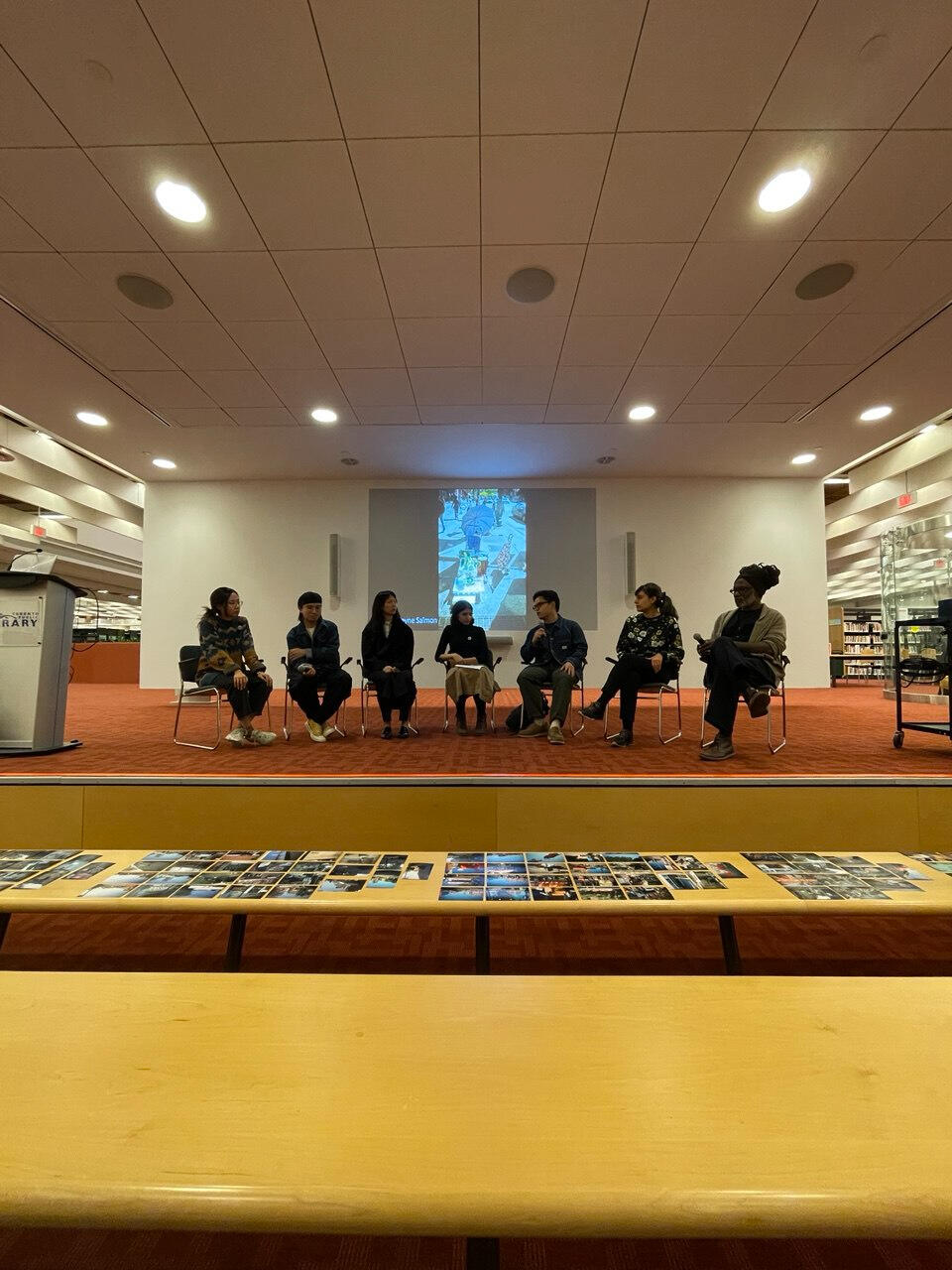
Sensing Alienation looks at the rapid transformation of Toronto’s Chinatown, a neighbourhood that has long been a cultural anchor, gathering place, and point of belonging for generations of immigrant communities. As traditional storefronts and historic buildings give way to modern condos, the character of the area its daily rhythms, and memories faces increasing pressure. Qirou Yang and I wanted to understand how these changes are felt by the people who rely on Chinatown not only as a place of work, but as a home for identity, community, and continuity.We invited residents to photograph their surroundings using disposable cameras, asking them to document their thoughts and daily experiences. Their images created a personal record of a neighbourhood in transition. We also recorded interviews with everyday workers and listened to their reflections on gentrification and the quiet loss of familiar spaces. The video showing these interviews was shown on loop at the Toronto Reference Library. The project concluded with an artist talk where the photos where printed and exhibited and we shared our process. In addition, we held a circle conversation with participants, inviting them to speak about their experience and the changes they see unfolding around them.
Photos taken by the participants with disposable cameras

The interview with workers at Chinatown

Roundtable discussion at Toronto Reference Library
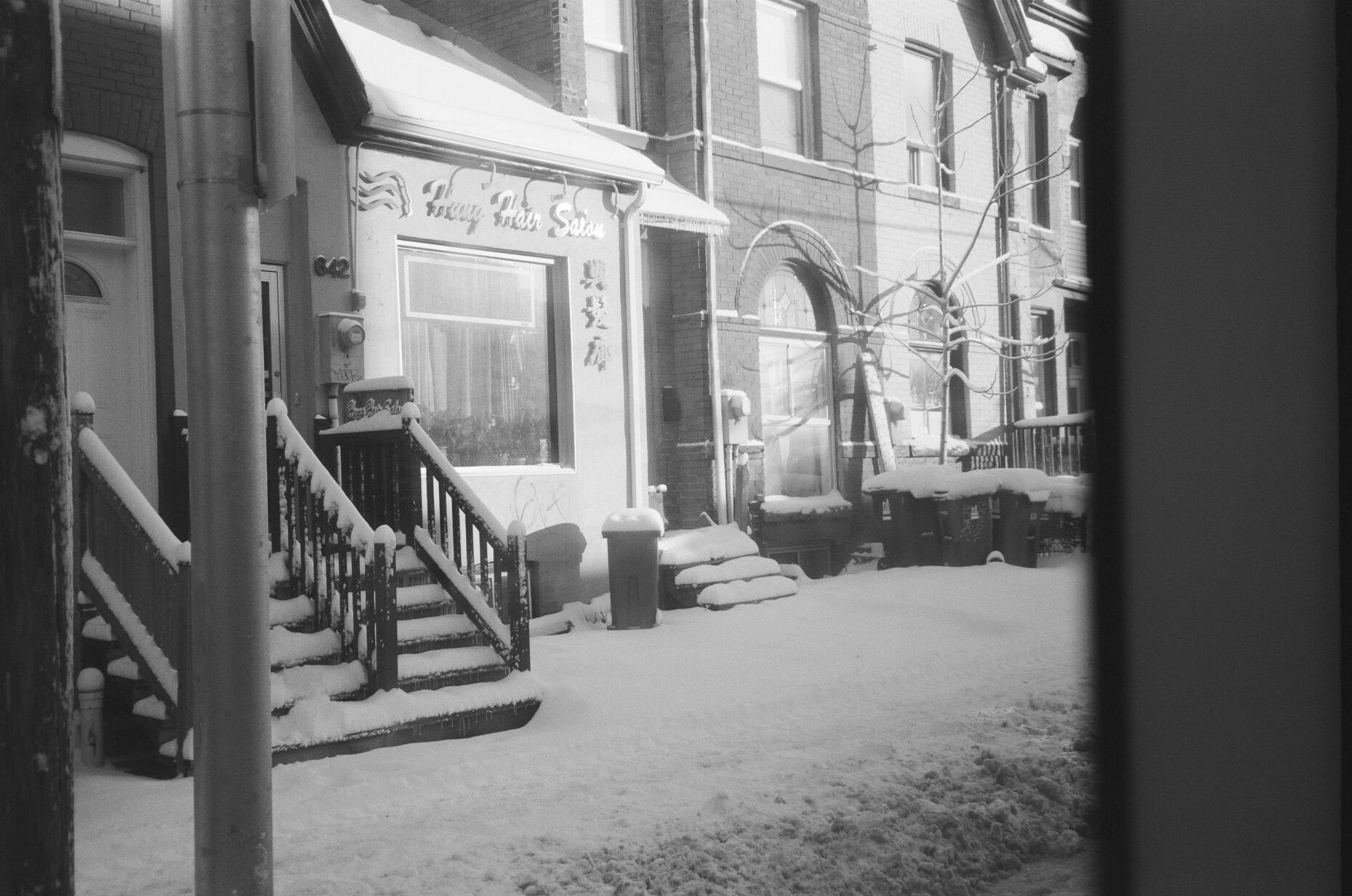
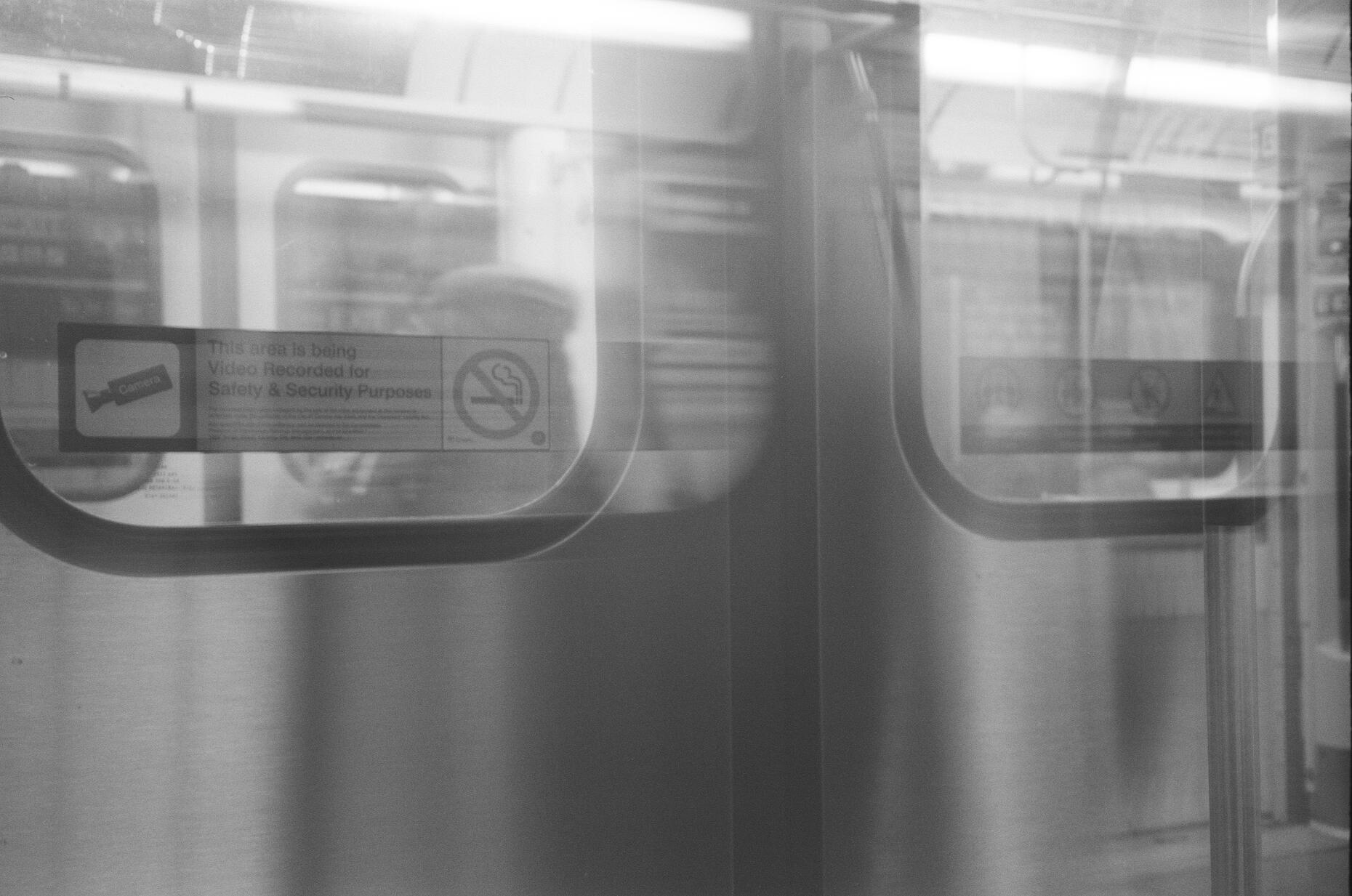
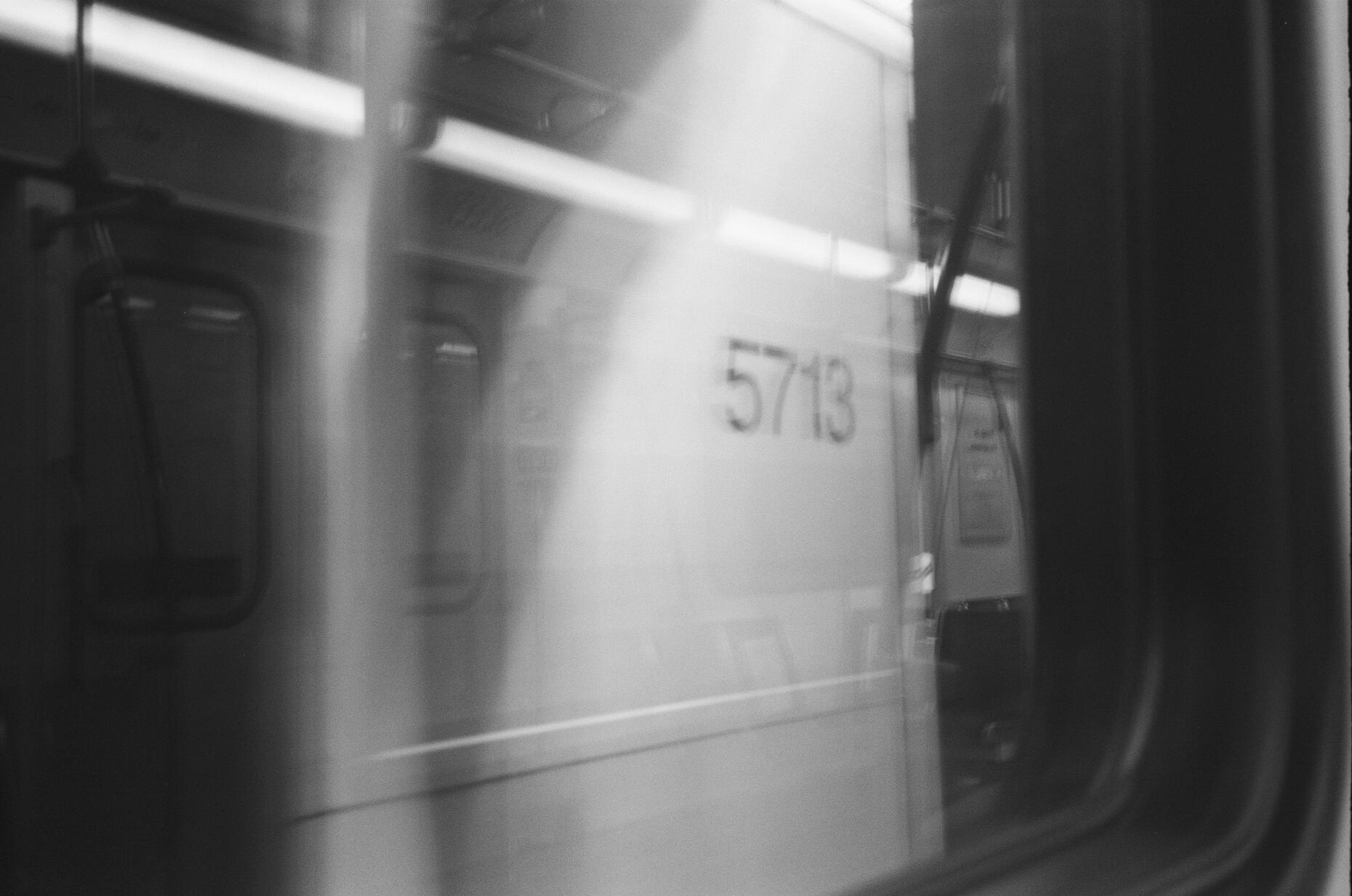
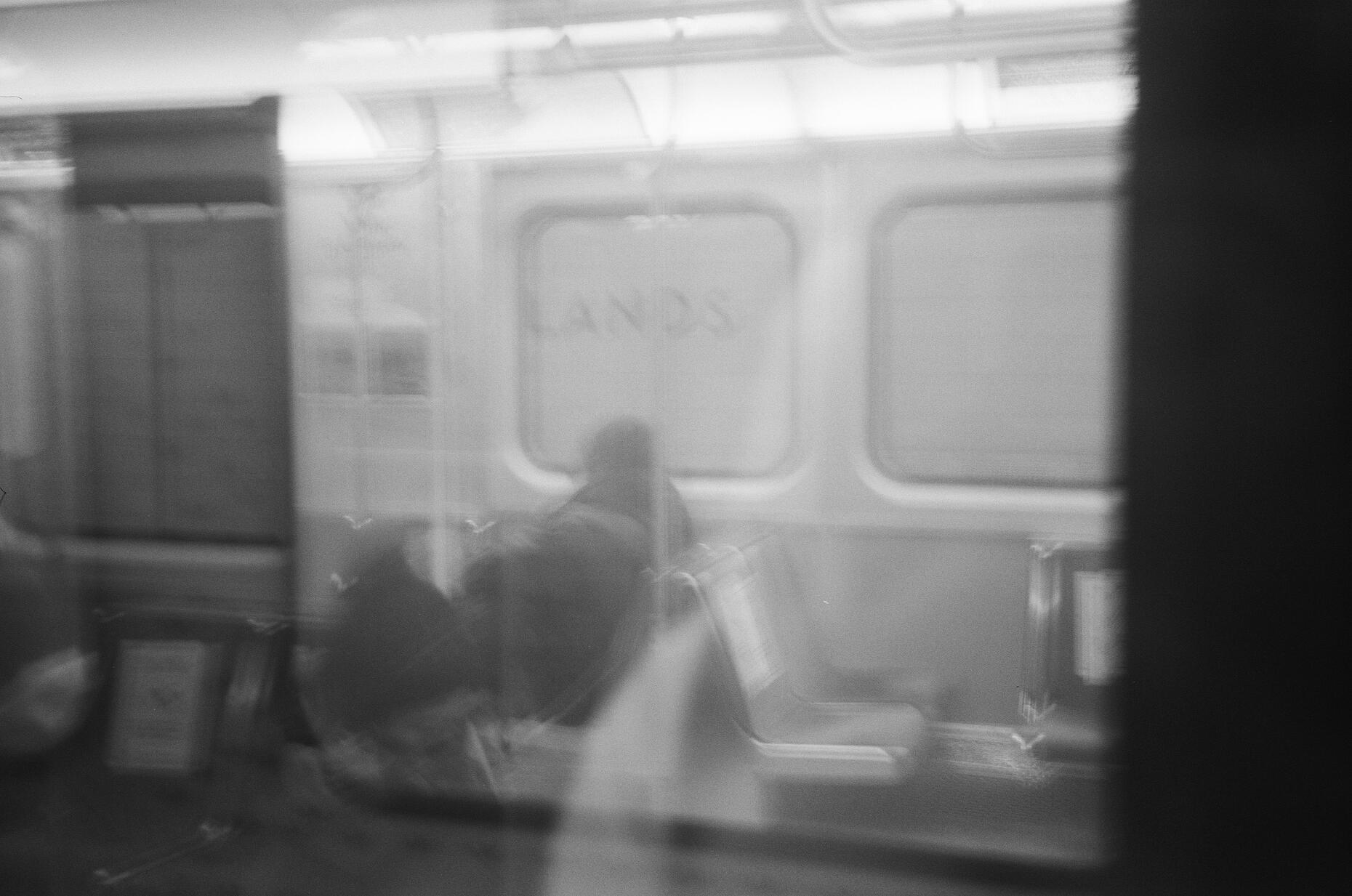
This black-and-white visual diary began on my daily commute. What started as a dull, familiar route became a daily challenge: find something new, a shard of light, an odd reflection, a quiet gesture. I photographed those small surprises, turning repetition into a practice of attention and sensory noticing.
The work treats movement as a generator of imagination, a place where daydreaming and observation meet. Each frame becomes an anchor that slows time and sharpens memory, showing how the ordinary can feel new. I invite viewers to take a familiar route with fresh eyes and see routine as a quiet ritual of renewal.
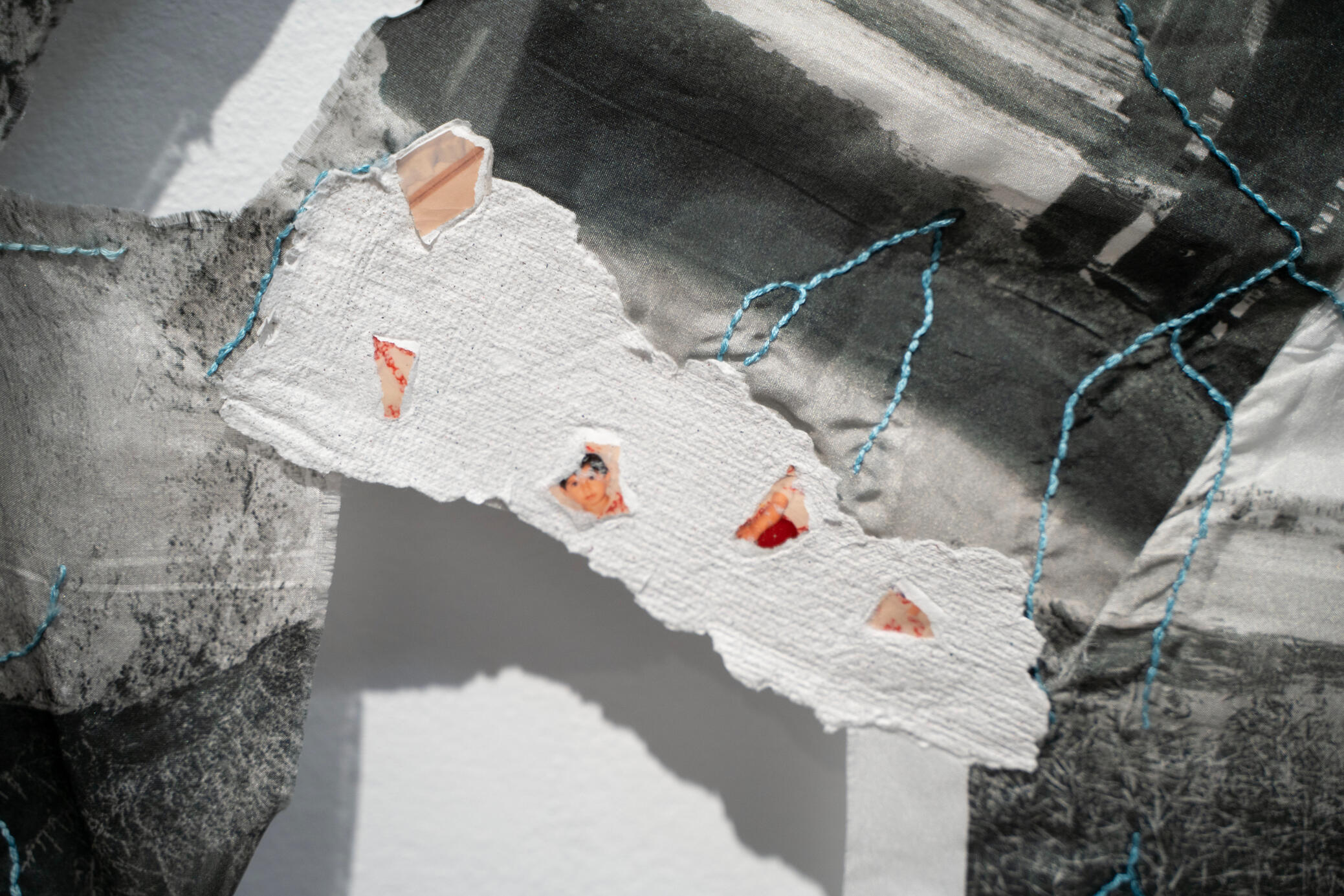
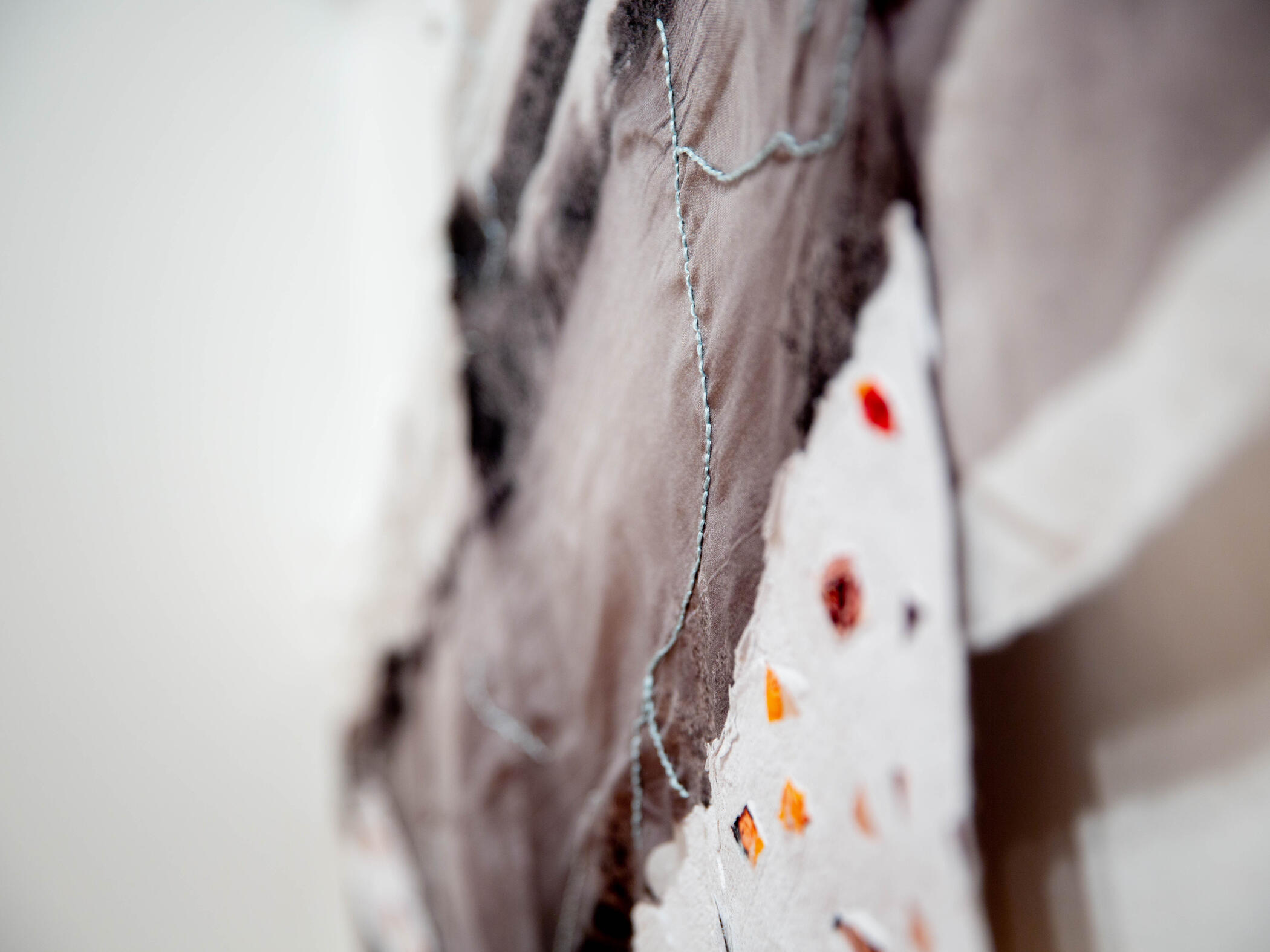
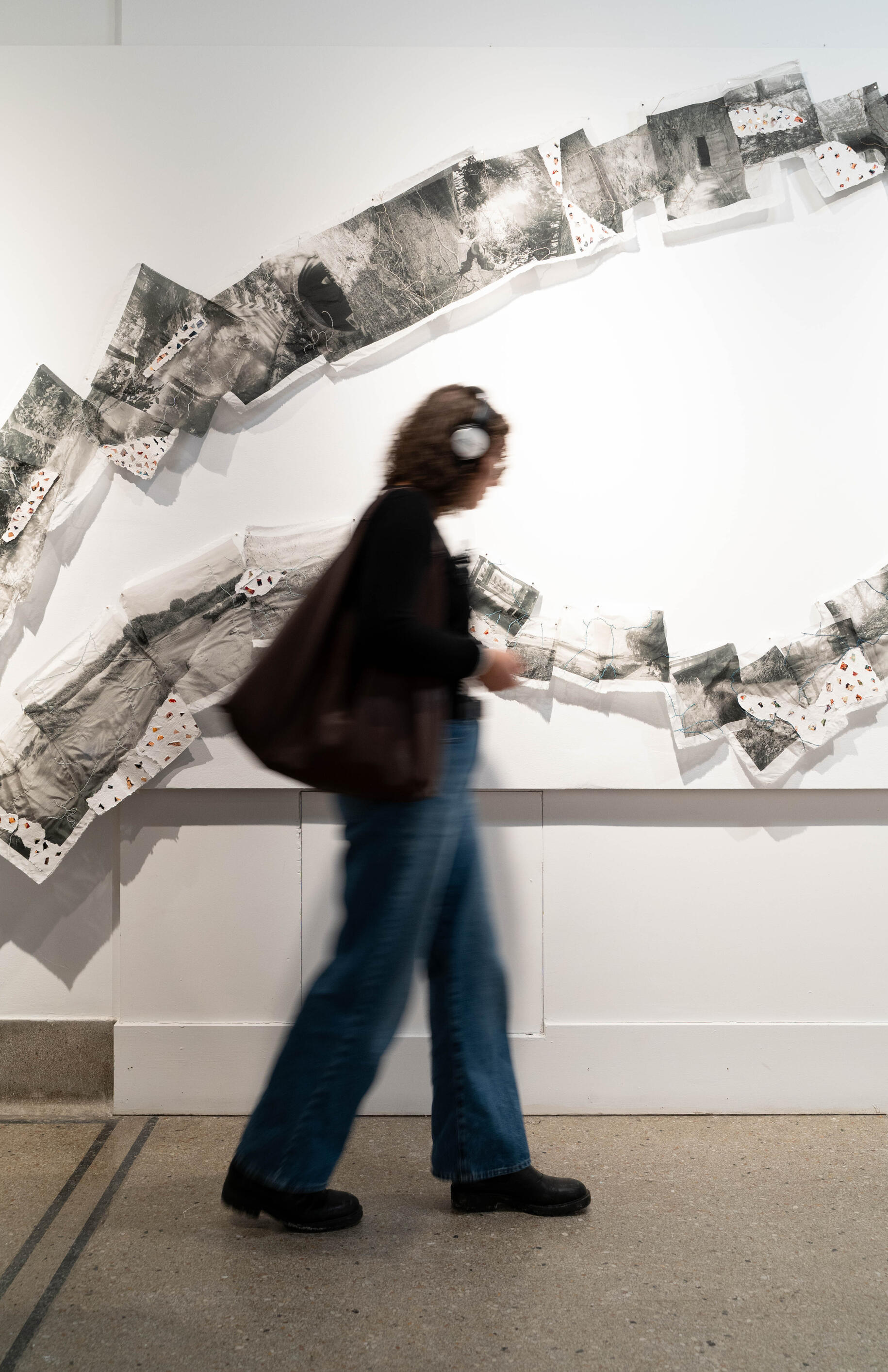
Answering the question “Which city are you from?” has never been simple for me. My family moved often when I was growing up, and each new city left me feeling more alone. Still, Esfahan, my birthplace, was a constant. Every holiday, no matter where we lived, we returned there. Over time, I formed a deep emotional connection to the city.Esfahan’s river, the Zayandeh Rud, once a vital lifeline, is now drying up from droughts and water diversion. Today, it flows only for a few months each year. In Gav-khouni, I explore this loss through the lens of displacement, reflecting on how the river’s redirection mirrors the shifting paths of identity and belonging.Photographs of the river trace its journey to the Gav-Khouni marsh, transformed into a stitched collage that maps my family’s movements across Iran. Each stitch becomes a waterway, linking the cities we once called home. Papers made from family photographs form another layer of this piece, merging memory and material. Together, these elements create a personal geography that parallels the river’s course, both shaped by redirection and both searching for continuity amid disappearance.A sound piece accompanies the collage. It combines a voiceover drawn from my journals, reflections on years of moving, with ambient recordings of flowing water. The composition weaves together memory and sound, echoing the presence and absence of the river itself.
A sound piece accompanies the collage. It combines a voiceover drawn from my journals, reflections on years of moving, with ambient recordings of flowing water. The composition weaves together memory and sound, echoing the presence and absence of the river itself.Music by Niaiesh Ebrahimi
My exploration of “home” begins with the idea that our sense of identity is shaped by the domestic spaces we grow up in. The objects, rooms, and routines we live with become part of how we remember ourselves. When we move away and lose access to those familiar things, parts of those memories slip, and the story we hold about who we are starts to fragment.The first part of this exploration is a video that builds a soundscape from people’s answers to the question “What does home mean to you?” layered with a repeated chorus of the word “home.” It shifts the idea of home from something personal to something shared, creating a collective reflection on belonging.

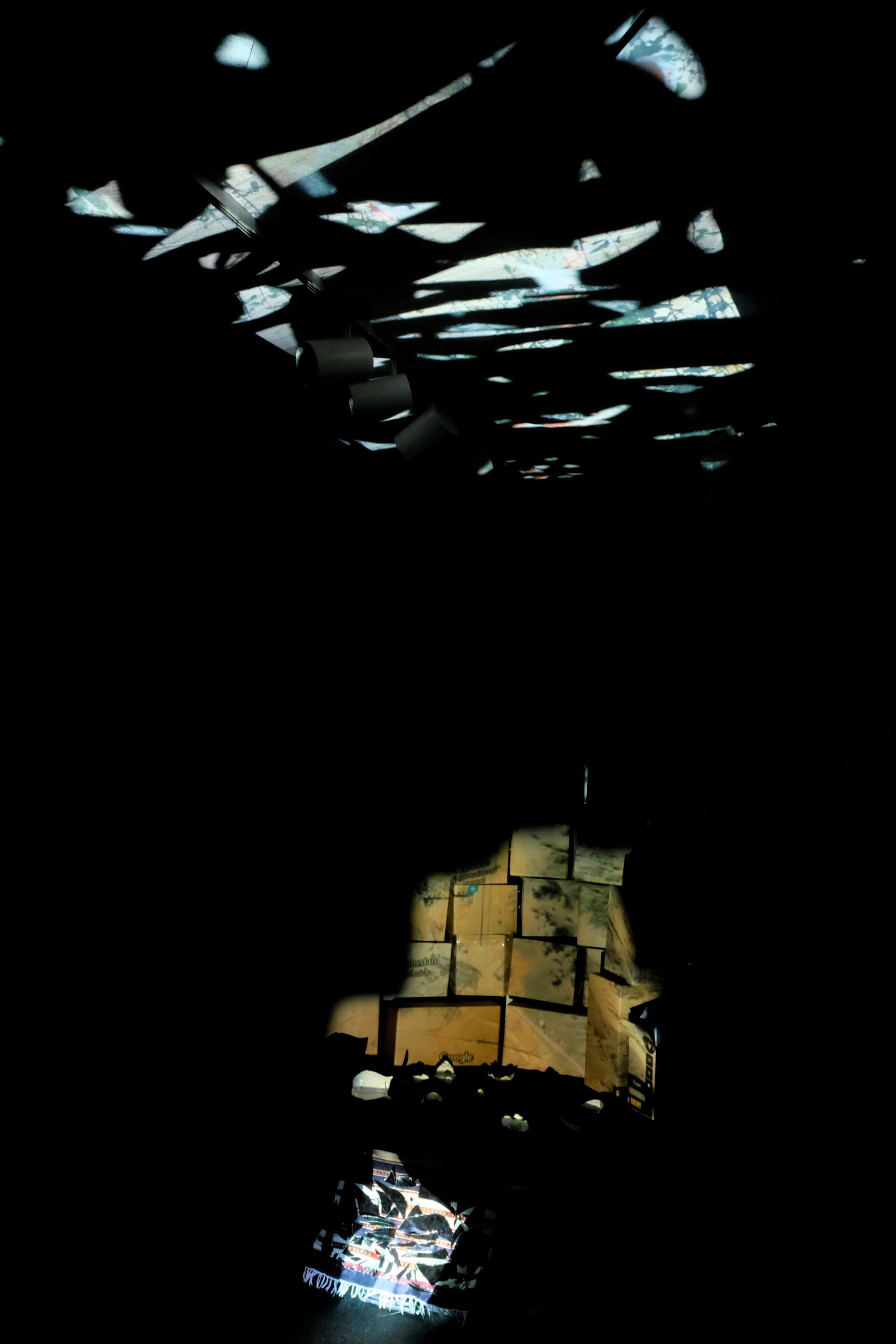
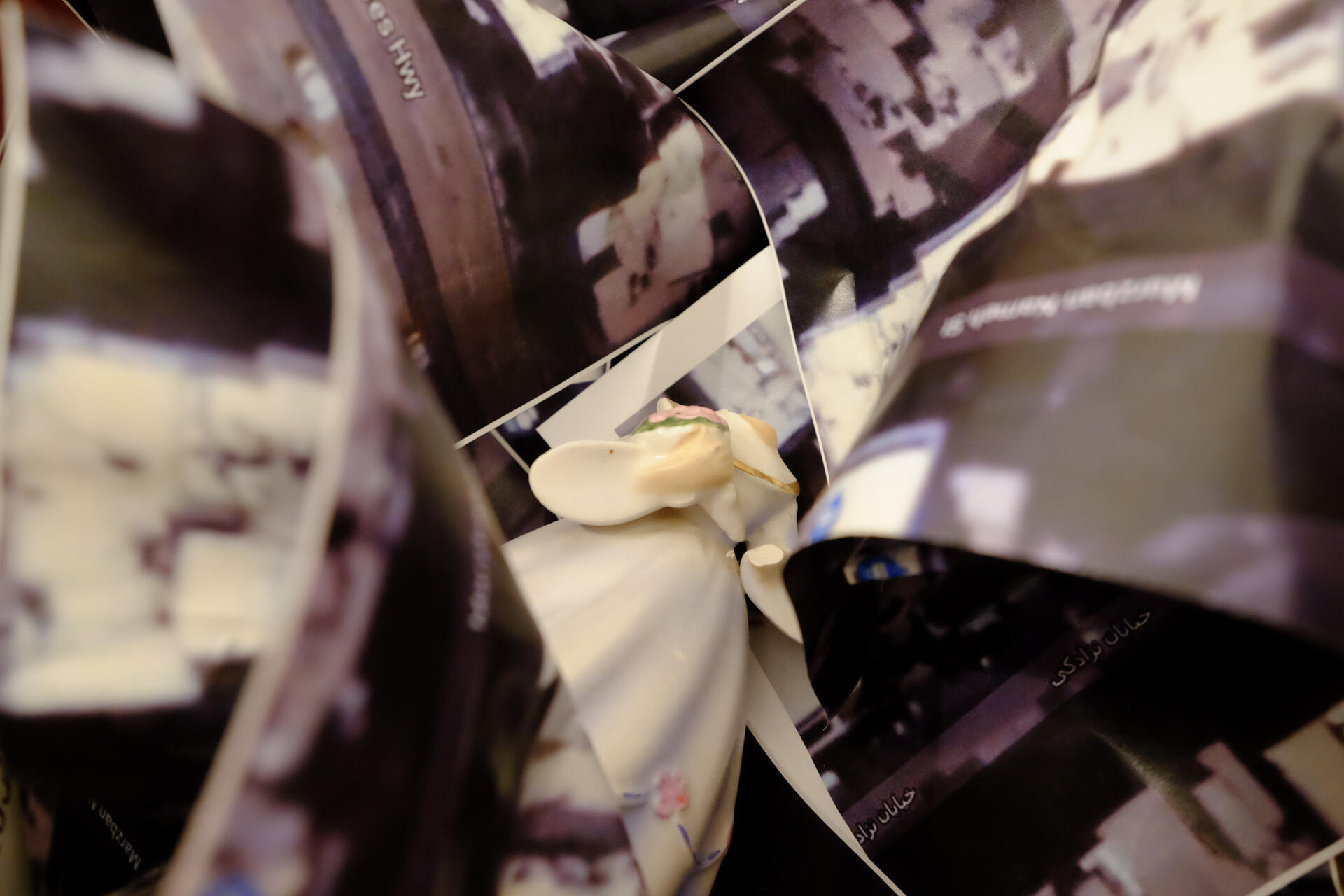
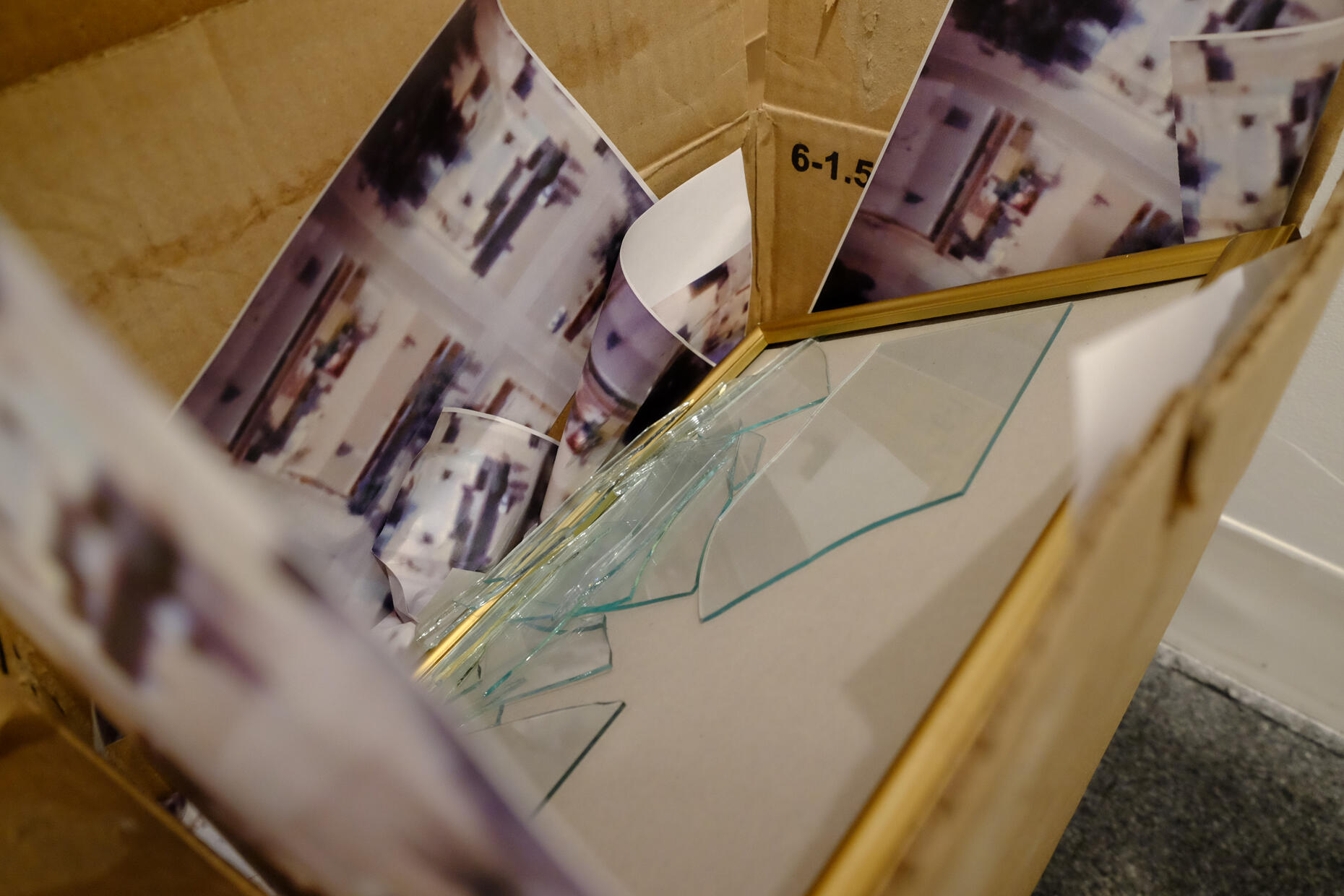
The second part is an installation that turns this idea back toward my own memories. A video is projected onto a stack of moving boxes, showing my attempts to find clear satellite images of the homes I lived in as a child, even though the results stay blurry and out of reach. Inside the boxes, viewers find fragments of my personal belongings wrapped in printed, pixelated satellite views of those same homes. An old suitcase sits open with a rug and broken mirrors inside, and family photos taken in the houses shown in the video are projected onto the mirror shards, scattering the images across their uneven surfaces.